தத்துவம்… கோட்பாடு… திட்டமிடுதல்… செயற்பாடு……
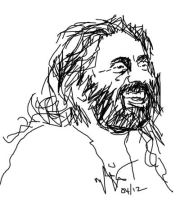 [நண்பர் மீராபாரதி தனது முகநூலில் ஐயரின் 'ஈழப் போராட்டத்தில் எனது பதிவுகள்' நூல் பற்றி எழுதிய பதிவினை 'பதிவுகள்' வாசகர்களுடன் பகிர்ந்து கொள்கின்றது. - பதிவுகள்] ஈழ விடுதலைப் போராட்டம் தொடர்பான அனுபவங்களின் பதிவுகளாக, நினைவுக் குறிப்புகளாக, புனைவுகளாக, சுயசரிதைகளாக, ஆய்வுகளாக சில நூல்களே வெளிவந்திருக்கின்றன. இவ்வாறு வெளிவந்தவற்றில் பலவற்றை சசீவன் தனது வலைப்பதிவில் குறிப்பிட்டிருக்கின்றார். அவையாவன, அருளரின் லங்காராணி, கோவிந்தனின் புதியதோர் உலகம், சி. புஸ்பராஜாவின் ஈழப்போராட்டத்தில் எனது சாட்சியம், செழியனின் ஒரு மனிதனின் நாட்குறிப்பிலிருந்து, அடேல் பாலசிங்கம் சுதந்திர வேட்கை, நேசனின் புளொட்டில் இருந்து தீப்பொறி வரையான எனது பதிவுகள், சீலனின் புளொட்டில் நான், அன்னபூரணாவின் தேசிய விடுதலைப் போராட்டம் மீளாய்வை நோக்கி, அலியார் மர்சூஃப்பின் ஒரு போராளியின் டயறி, அற்புதனின் துரையப்பா முதல் காமினி வரை, மணியத்தின் புலிகளின் வதைமுகாம் அனுபவங்கள், ரயாகரனின் வதைமுகாமில் நான், ராஜினி திராணகம, ராஜன் ஹூல், கே.. சிறீதரன் மற்றும் தயா சோமசுந்தரம் ஆகியோர் இணைந்து எழுதிய முறிந்த பனை, செ. யோகரட்ணத்தின் தீ மூண்ட நாட்களும் தீண்டாமைக் கொடுமைகளும், மற்றும் பாலநடராஜ ஐயர் எழுதிய நூலொன்றும் உள்ளது என குறிப்பிட்டுள்ளார். இவை எல்லாவற்றையும் வாசிக்க சந்தர்ப்பம் கிடைக்கவில்லை. இந்த வரிசையில் இறுதியாக வந்துள்ள நூல், கணேசன் என்கின்ற ஐயரின் ஈழப் போராட்டத்தில் எனது பதிவுகள் என்பதாகும். இதை இணையத்தில் வெளிவந்தபோது வாசித்து பின் நூலாக வெளிவந்தபின் இரண்டாம் தரமாக வாசிக்கின்றேன். சில நூல்களைப் பல மீள் வாசிப்புகளுக்கு உட்படுத்தப்படும் பொழுதுதான் அதன் பல்வேறு விடயங்களை அவதானிக்கக் கூடியதாக இருக்கின்றது. அவ்வாறான அவதானிப்பினை அடிப்படையாகக் கொண்ட சில குறிப்புக்களே இந்தப் பதிவு.

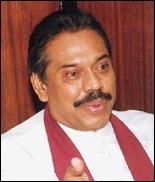
 Visiting Sri Lankan President having experienced a series of demonstrations and protests of thousands of Tamils, Human Rights activist throughout Wednesday at London’s key locations, the Sri Lankan President Mahinda Rajapaksha has left the UK with a sense of disgrace, disgust, disappointment and failure. Couches full of Tamils from Europe and all parts of the UK gathered outside the Mansion House at 8AM in the morning in the city of London where the Sri Lankan President Rajapaksha was scheduled to give a speech on Wednesday morning, 6 June 2012 at the London Mansion House in the Diamond Jubilee Commonwealth Economic Forum. However on Tuesday, 5 June 2012 the Commonwealth Business Council has given the following message in their website “After careful consideration the morning sessions of the Forum on Wednesday 6th of June have been cancelled and will not take place. The event will therefore commence with lunch at 1300hrs followed by the originally planned afternoon sessions beginning at 1400hrs”.
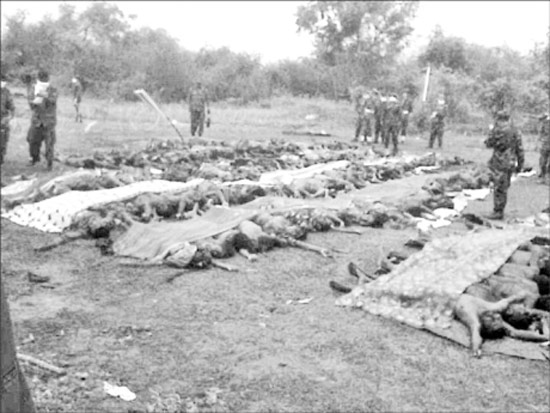 போரின் இறுதிக்கட்டத்தில் சிறிலங்காப் படைகளால் தமிழர்கள் மோசமாக நடத்தப்பட்டதற்கான மேலதிகமான காணொலி மற்றும் ஒளிப்பட ஆதாரங்கள் தமக்குக் கிடைத்துள்ளதாக லண்டனில் இருந்து வெளியாகும் "தி இன்டிபென்டன்ட்" நாளேடு தகவல் வெளியிட்டுள்ளது.
 [Tuesday 5 June 20128:08 pm] A meeting in the City of London, due to have been addressed on Wednesday morning by the president of Sri Lanka, has been cancelled, owing to concerns over policing amid the threat of large demonstrations by Tamil rights groups. But Mahinda Rajapakse – whose presidency has been tainted by persistent allegations of war crimes committed by Sri Lankan armed forces – will still attend a lunch for the Queen, hosted by the Commonwealth secretary general at Marlborough House on Pall Mall. The president was first to have given the keynote speech at a special Diamond Jubilee meeting of the Commonwealth Economic Forum, at 10am. On its website, the event’s organisers, the Commonwealth Business Council, simply states that “After careful consideration, the morning sessions of the Forum… will not take place.” It had pre-sold tickets to the event at £795 +VAT each. Channel 4 News was unable to obtain a response from the CBC. A spokesman for Scotland Yard told Channel 4 News that while it had agreed to guarantee the president’s security, the CBC had “decided it was not in their interest to stage the event” due to excessive policing requirements and the likely disruption to business in the City of London.
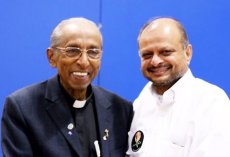 முள்ளிவாய்க்கால் மூன்றாமாண்டினை உலகத் தமிழினம் நினைவேந்தி வரும் இவ்வேளையில் , சுதந்திர தமிழீழம் நோக்கிய ஈழத்தமிழர்களின் நியாயமான போராட்டத்தினை வென்றெடுப்பதற்குரிய, ஒருங்கிணைந்த செயற்பாடுகளுக்கு நாடுகடந்த தமிழீழ அரசாங்கமும் , உலகத் தமிழர் பேரவையும் சில உடன்பாடுகளை எட்டியுள்ளதாக நா.த.அரசாங்கத்தின் செயலகம் தெரிவித்துள்ளது. நாடுகடந்த தமிழீழ அரசாங்கத்தின் பிரதமர் விசுவநாதன் உருத்திரகுமாரன் மற்றும் உலகத் தமிழர் பேரவையின் தலைவர் வண. கலாநிதி எஸ்.ஜே.இம்மானுவல் அடிகள் ஆகியோர் , இவ்விடயம் தொடர்பில் கூட்டறிக்கையொன்றினை வெளியிட்டுள்ளனர். ஒருங்கிணைந்த செயற்பாடுகள் குறித்து நாடு கடந்த தமிழீழ அரசாங்கத்தினதும் உலகத் தமிழர் பேரவையினதும் பிரதிநிதிகள் கடந்த 13, 14 ஆம் திகதிகளில் அமெரிக்காவின் சான்பிரான்ஸிஸ்க்கோ நகரில் ஒன்றுகூடி, பல விடயங்களை விரிவாக ஆராய்ந்ததோடு சில உடன்பாடுகளையும் எட்டியுள்ளனர் அவ்வறிக்கையில் தெரிவிக்கப்பட்டுள்ளது.
 (குறிப்பு: கௌதம சித்தார்த்தன், முல்லை பெரியாறு பிரச்சனை குறித்து என்னுடைய கருத்தை பதிவு செய்து தரச் சொல்லிக் கேட்டிருந்தார். பல பேருடைய கருத்துக்களும் திரட்டி தொகுப்பு புத்தகக் கண்காட்சியில் கொண்டு வரப் போவதாகவும், ஆனால் அது என்ன காரணத்தினாலோ நூலாக வடிவம் பெறவில்லை எனது கட்டுரை இதோ) பட்டி வீரன் பட்டியில் வசிக்கும் 99 வயதான எனது பாட்டனாரான நா. தில்லைக் கோவிந்தன் 2005 இல் சந்தித்த போது மணல் திருட்டு ,மணல் கொள்ளை என மணல் பிரச்சனையாகத் தொடங்கிய காலகட்டம் அப்போது அவர் காமராஜர் காலகட்டத்தில் வைகை அணைகட்டிய போது நடந்த விசயங்களை நினைவு படுத்திப் பேசும் போது, இன்றைய நடைமுறைச் சிக்கல்களையும் இன்று தண்ணீர் மணல் , விவசாயம் என்று எல்லாவற்றிலும் பற்றாக்குறைகளும் எனக்கு உனக்கு என்று சண்டைகளும் வருவதைக் குறித்துச் சொல்லி “ ”அணையைக் கட்டினார்கள் அடிவயிற்றில் அடித்தார்கள்” என் தலைப்பிட்டு எழுதிய கட்டுரையை என்னிடம் தந்தார். அது அப்போது இணைய இதழ்களில் வெளி வந்தது. அதில் சொல்லிய ஒரு வரி இன்று என் நினைவுக்கு வருகின்றது.
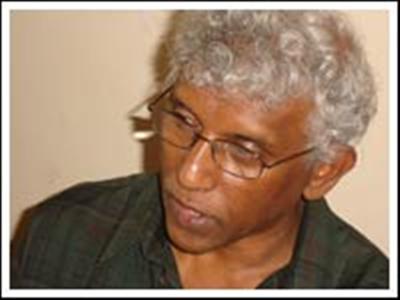 மே 19, 2009 அன்று கொழும்பில் இருந்தேன். வீட்டிற்கு வெளியே ஒரே ஆரவாரமாக இருந்தது. போரின் முடிவையும் பிரபாகரனின் மரணத்தையும் சிங்கள மக்கள் அமோகமாகக் கொண்டாடிக் கொண்டிருந்தார்கள். போரின்போது தமிழ் மக்கள் பட்ட அவலங்கள் குறித்தோ பேரழிவு குறித்தோ அவர்களில் மிகப் பெரும்பாலானோர்க்கு எவ்விதமான அக்கறையும் இருக்கவில்லை. அன்று முழுவதும் வீட்டைவிட்டு வெளியேறவில்லை. நிச்சயமின்மையும் புது வகையான பீதியும் இலங்கையைச் சூழ்ந்துகொள்கிற புதிய காலகட்டம் ஒன்றுக்குள் நாங்கள் நுழைவதான உணர்வு எனக்கு ஏற்பட்டது. வழமையாக ராவய இதழுக்கு எழுதும் பத்திக்கென அன்று நான் எழுதிய கட்டுரையின் தலைப்பு ‘மே, 19’ என்பதாகும். அந்தக் கட்டுரையில் மிகவும் தெளிவாக நான் குறிப்பிட்டிருந்ததை இந்தக் கணம் நினைவுகொள்வது மிகவும் பொருத்தமானது எனக் கருதுகிறேன். “போர் முடிந்துவிட்டிருக்கலாம்; ஆனால் தமிழ் மக்களின் போராட்டம் இன்னும் முடிந்துவிடவில்லை.” அந்தப் பத்தியின் இறுதிப் பகுதியில் மூன்று விடயங்களைக் குறிப்பிட்டிருந்தேன்.
![ஜூட் லால் பெர்ணாண்டோ டப்ளின் டிரினிட்டி கல்லூரியைச் சார்ந்த ஐரிஸ் ஸ்கூல் ஆஃப் எக்குமெனிக்ஸில் அமைதி மற்றும் இணக்க மேம்படுத்தல் துறையில் உயராய்வு மேற்கொள்வதோடு அங்கு விரிவுரையாளராகவும் பணியாற்றுகிறார். இலங்கையின் களனியிலுள்ள துலானா என்னும் மதம் சார்பான உரையாடல் மற்றும் ஆராய்ச்சி மையத்தின் உறுப்பினர். டிரினிட்டி கல்லூரியில் 2010இல் இலங்கைக்கான மக்கள் தீர்ப்பாயத்தை ஒருங்கிணைத்தவர்.]](/images/stories/jlfernando.jpg) மக்கள்திரள்மீதான வன்கொடுமைகள் (mass atrocity) பற்றிய எடுத்துரைப்புகள் (representations) சர்வதேசச் சட்டத்தின் வரையறைகளுக்கு ஏற்பப் போர்க்குற்றங்கள், மானிடத்திற்கெதிரான குற்றங்கள், இன அழிப்பு ஆகிய அடிப்படைகளில் வகைப்படுத்தல்களுக்கு உள்ளாக்கப்படுகின்றன. எனினும் இந்தக் கோட்பாட்டுரீதியான வகைப்படுத்தல்கள் குறிப்பிட்ட அரசியல், கருத்தியல் களங்களிலேயே பிரயோகிக்கப்படுவதால் அந்தக் களங்கள் விமர் சனத்திற்குள்ளாக்கப்பட்டு இலங்கையில் இடம்பெற்ற வன்கொடுமைகள் பற்றிய உண்மைகளைக் கூறும் முழுமையான எடுத்துரைப்பு ஒன்று எட்டப்பட வேண்டும். இந்த வன்கொடுமைகள் பற்றிய எடுத்துரைப்புகளை நோக்கினால், எவ்வாறு உண்மைகள் நோக்கப்படுகின்றன என்பதையும், நீதி, புனரமைப்பு (justice and recovery) பற்றிய எதிர்பார்ப்புகள் எவ்வாறு அமைகின்றன என்பதையும் சித்தாந்தம்தான் முடிவுசெய்கிறது என்பதை இந்தக் கட்டுரை நிறுவ முற்படுகிறது. இந்தப் பணியைச் சந்தேகக் கண்ணோடு அணுகுவது அரசியல் சிந்தனையில் மிகச் சரியான எடுத்துரைப்பு வெளிப்படவும் நீதிக்கும் புனரமைப்புக்குமான விசாலமான முன்னெடுப்புகளை அடையாளங்காட்டவும் உதவும்.
மக்கள்திரள்மீதான வன்கொடுமைகள் (mass atrocity) பற்றிய எடுத்துரைப்புகள் (representations) சர்வதேசச் சட்டத்தின் வரையறைகளுக்கு ஏற்பப் போர்க்குற்றங்கள், மானிடத்திற்கெதிரான குற்றங்கள், இன அழிப்பு ஆகிய அடிப்படைகளில் வகைப்படுத்தல்களுக்கு உள்ளாக்கப்படுகின்றன. எனினும் இந்தக் கோட்பாட்டுரீதியான வகைப்படுத்தல்கள் குறிப்பிட்ட அரசியல், கருத்தியல் களங்களிலேயே பிரயோகிக்கப்படுவதால் அந்தக் களங்கள் விமர் சனத்திற்குள்ளாக்கப்பட்டு இலங்கையில் இடம்பெற்ற வன்கொடுமைகள் பற்றிய உண்மைகளைக் கூறும் முழுமையான எடுத்துரைப்பு ஒன்று எட்டப்பட வேண்டும். இந்த வன்கொடுமைகள் பற்றிய எடுத்துரைப்புகளை நோக்கினால், எவ்வாறு உண்மைகள் நோக்கப்படுகின்றன என்பதையும், நீதி, புனரமைப்பு (justice and recovery) பற்றிய எதிர்பார்ப்புகள் எவ்வாறு அமைகின்றன என்பதையும் சித்தாந்தம்தான் முடிவுசெய்கிறது என்பதை இந்தக் கட்டுரை நிறுவ முற்படுகிறது. இந்தப் பணியைச் சந்தேகக் கண்ணோடு அணுகுவது அரசியல் சிந்தனையில் மிகச் சரியான எடுத்துரைப்பு வெளிப்படவும் நீதிக்கும் புனரமைப்புக்குமான விசாலமான முன்னெடுப்புகளை அடையாளங்காட்டவும் உதவும்.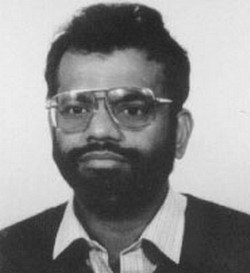 ஈழத்தமிழர்களின் விடுதலைப் போராட்ட வரலாற்றில் எஸ்.சபாலிங்கத்துக்கு முக்கியமானதொரு பங்குண்டு. ஈழ விடுதலைப் போராட்ட வரலாற்றில் ஆரம்பத்தில் தன்னைப் பிணைத்துக்கொண்டவர் இவர். எழுபதுகளின் ஆரம்பத்தில் கட்டுபெத்தை பொறியியல் தொழில்நுட்பக் கல்லூரியில் மாணவனாகவிருந்த சமயம் பொன்னுத்துரை சத்தியசீலன் போன்றவர்களுடன் இணைந்து தமிழ் மாணவர் பேரவை அமைப்பு உருவாகக் காரணமானவர்களிலொருவர். விடுதலைப் புலிகளின் அமைப்பு உருவான காலகட்டத்தில் விடுதலைப் புலிகள் தலைவர் வே.பிரபாகரனுடன் நெருங்கிப் பழகியவர்களிலொருவர். இவற்றின் காரணமாக இலங்கைக் காவற்துறையினரால் கைது செய்யப்பட்டு, சித்திரவதைகளுக்குப் புகழ்பெற்று விளங்கிய இலங்கைப் புலனாய்வுத்துறையினரின் 4ஆம் மாடியில் வைத்து விசாரிக்கப்பட்டுக் கடுமையான சித்திரவதைகளுக்குள்ளாகியவர். பின்னர் அரசியல் அகதியாகப் புலம்பெயர்ந்து பாரிசில் வசித்து வந்த சமயத்திலும் பதிப்புத் துறை, இலக்கிய அமர்வுகளை நடாத்துவதிலும் தன் கவனத்தைத் திருப்பினார். தனது ஆசியான் பதிப்பகம் மூலம் ஈழத்துக் கவிஞர்களான வ.ஐ.ச.ஜெயபாலன், சேரன், அருந்ததி, செல்வம், சோலைக்கிளி ஆகியோரின் கவிதைத் தொகுதிகளை வெளியிட்டார். கோவிந்தனின் 'புதியதோர் உலகம்', 'யாழ்ப்பாண வைபவமாலை', 'புத்தளம் முஸ்லீம் மக்கள் வரலாறு', 'எமர்ஜென்சி 58' மற்றும் தராகியின் 'Eluding Peace' ஆகிய நூல்களை வெளியிட்டார். புலம்பெயர்ந்த தமிழர்கள் மத்தியில் நடைபெற்றுவரும் இலக்கியச் சந்திப்புக்களின் ஆரம்பகர்த்தாக்களிலொருவராகவும் இவர் கருதப்படுகின்றார்.
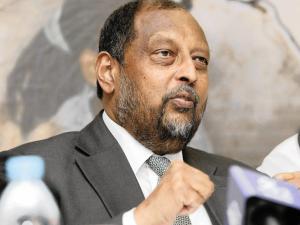 - மே 8, 2012 - தோழர், அமைச்சர் இராதாகிறிஷ்ணா (றோய்) படையாட்சி அவர்களின் மறைவை அறிந்து நாம் கடும் அதிர்ச்சியும் ஆறாத் துயரமும் அடைந்துள்ளோம். அன்னார், மனித மேம்பாட்டுச் செயல்வீரனக விளங்கியதோடு வறியோருக்கும் மிக ஒடுக்கப்பட்டோருக்கும் உதவும் பணிக்குத் தன்னை முழுமையாக அர்ப்பணித்திருந்தார். அன்னாரின் மறைவானது அவரது குடும்பத்தினருக்கும் அவரது மக்களுக்கும் உலகளாவிய மட்டத்தில் அவரின் தூரப்பார்வை, அர்ப்பணிப்பு, கருணையுள்ளம் ஆகியவற்றால் ஈர்க்கப்பட்டோருக்கும் உண்மையிலேயே ஒரு பேரிழப்பாகும். குடியரசுத் தலைவர் சூமா அவர்கள் மிக அழகாக எடுத்துரைத்தது போன்று, “படையாட்சி அளவிடமுடியாத அற்பணிப்பையும் ஆளுமையையும் பெற்ற ஒருவர். சிறப்புமிக்க ஆபிரிக்காவையும் உலகத்தையும் உருவாக்கும் தன் குறிக்கோளுக்காக வாழ்நாள் முழுவதையும் அர்ப்பணித்துப் புறப்பட்ட பயணத்தில் அவர் தன் தலைவிதியையும் சாவினையும் சந்திக்க நேர்ந்தது மிகவும் கவலை அளிக்கின்றது.”
 நீங்கள், இலங்கையில் ஜனநாயகத்திற்கான பத்திரிகையாளர்கள் (Journalists for Democracy in Sri Lanka- JDS) என்ற உங்கள் அமைப்பினர், நண்பர்கள் ஆகியோர் பங்களிப்பு இல்லாமல் சர்வதேசச் சமூகத்தையே உலுக்கிய கைப்பேசி வீடியோவில் எடுக்கப்பட்ட படுகொலைக் காட்சிகள் வெளிச்சத்துக்கு வந்திருக்க மாட்டா. இந்த வீடியோ படங்களை சானல் 4 தொலைக்காட்சிக்குத்தான் வழங்க வேண்டுமென எப்படித் தீர்மானித்தீர்கள்?
 மே தினம் எனப்படும் உலகத் தொழிலாளர் தினம் ஆண்டுதோறும் மே முதலாம் திகதி (மே 1) உலகளாவிய ரீதியில் கொண்டாடப்படுவதாகும். தொழிலாளர் போராட்டம்18ஆம் நூற்றாண்டின் இறுதியிலும் - 19ஆம் நூற்றாண்டின் ஆரம்பத்திலும் வேகமாக வளர்ச்சியடைந்த நாடுகளில் தொழிலாளிகள் பலரும் நாளொன்றுக்கு 12 முதல் 18 மணி நேரக் கட்டாய வேலை செய்ய நிர்ப்பந்திக்கப்பட்டனர். இதற்கெதிரான குரல்களும் பல்வேறு நாடுகளில் ஆங்காங்கே எழத் துவங்கியது. இதில் குறிப்பிடத்தக்கது இங்கிலாந்தில் தோன்றிய சாசன இயக்கம் (chartists). சாசன இயக்கம் 6 முக்கிய கோரிக்கைகளை முன்வைத்து தொடர் இயக்கங்களை நடத்தியது. அதில் குறிப்பிடத்தக்கது 10 மணி நேர வேலை கோரிக்கை. பிரான்சில் தொழிலாளர் இயக்கம்1830களில் பிரான்சில் நெசவுத் தொழிலில் ஈடுபட்டிருந்த தொழிலாளிகள் தினமும் கட்டாயமாக 15 மணி நேரம் உழைக்க வேண்டி இருந்தனர். இதை எதிர்த்து அவர்கள் பெரும் வேலை நிறுத்தப் போராட்டத்தை நடத்தினர். 1834இல் ஜனநாயகம் அல்லது மரணம் என்ற கோஷத்தை முன்வைத்து பெரும் கிளர்ச்சியில் ஈடுபட்டனர். இவையனைஇத்தும் தோல்வியில் முடிவடைந்தன.
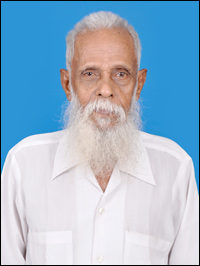 தளரா நெஞ்சம். மருத்துவமனை கண்டிராத உடல். செருப்பணியாத கால்கள். திருமணமாகாத வாழ்க்கை. 1970 முதலாகக் காய்கறி உணவு. முகத்தை மூடும் வெள்ளை மீசையும் தாடியும். 88 வயதிலும் இரு மாடிகளுக்கும் படியேறி என் வீட்டுக்கு இன்று, புலர் காலை 0600 மணிக்கு வந்தவர், பெரியார் எசு. ஏ. தாவீது என நான் அழைக்க விரும்பும் எஸ். ஏ. டேவிட். 1970களில் வவுனியாவில் காந்தீயம் அமைப்புத் தொடங்கிய காலங்கள். மலைநாட்டில் துணை மருத்துவப் பணிகளில் ஈடுபட்டிருந்த இராசசுந்தரம், கொழும்பில் என்னிடம் வருவார். அவருடன் டேவிட் ஐயாவும் வருவார். கொழும்பு வைஎம்சீஏ விடுதியில் டேவிட் ஐயா தங்கியிருப்பார். அந்தக் கட்டட வரைபடத்தைத் தயாரித்துக் கொடுத்ததால், அதற்குக் கட்டணம் வாங்காததால், அவருக்கு எப்பொழுதும் அங்கே ஓர் அறை. 1972 இலங்கை அரசியலமைப்பு, அதைத் தொடர்ந்த தமிழர் நிலை, இவை எம்மை இணைக்கும் பாலம். மலைநாட்டுத் தமிழரை வன்னியில் குடியேற்றும் காந்தியத்தின் முயற்சி. இராசசுந்தரம், டேவிட் இருவரின் இடையறா ஈடுபாடு, இதில் என் சிறிய பங்களிப்பு. 1977 இனக் கலவரத்துடன் கொழும்பைவிட்டு வெளியேறினேன். யாழ்ப்பாணத்தில் 1978இல் தந்தை செல்வா நினைவுத் தூண் கட்டியெழுப்பும் குழுவின் செயலாளராக நான். திராவிடத் தூணாக 80அடி உயரத்தில் அமையும் வரைபடத்தைத் தந்தவர் வி. எஸ். துரைராசா. மொட்டையாக நிற்காமல் கூம்பாக்கிக் கலசத்தில் முடிக்குமாறு டேவிட் ஐயா கருத்துரைத்தால் 100 அடியாக அத் தூண் உயர்ந்தது. கட்டி முடிக்கும் வரை யாழ்ப்பாணத்தில் இருந்தேன்.
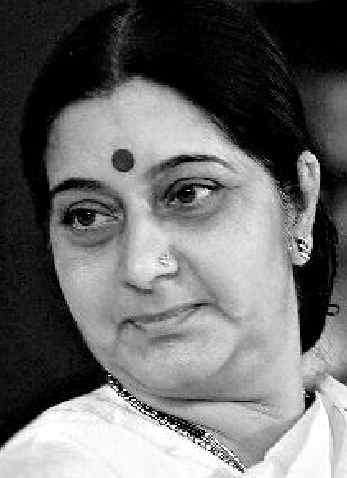 இலங்கை தமிழ் மக்களின் பிரச்சினைக்கு அரசியல் தீர்வு காண்பதில் இந்தியா மிக தீவிரமாக உள்ளது என இலங்கைக்கு விஜயம் மேற்கொண்ட இந்திய நாடாளுமன்ற தூதுக்குழுவின் தலைவியான சுஷ்மா ஸ்வராஜ் கூறினார். இந்திய நாடாளுமன்றத் தூதுக்குழுவின் இலங்கை விஜயத்தின் இறுதியில் இன்று சனிக்கிழமை கொழும்பில் நடைபெற்ற செய்தியாளர் மாநாட்டிலேயே சுஷ்மா ஸ்வராஜ் தெரிவித்தார். அரசியல் தீர்வு விடயத்தில் நாம் மிக மிக தீவிரமாக இருக்கிறோம்' எனக் கூறிய அவர், அரசாங்கமும் தமிழ் தேசியக் கூட்டமைப்பும் இயன்றவரை விரைவாக பேச்சுவார்த்தையை ஆரம்பிக்க வேண்டும் எனவும் கூறினார். வடக்கில் இடம்பெயர்ந்த மக்களை மீளக்குடியேற்றுவதில் முன்னேற்றம் ஏற்பட்டுள்ளதாக கூறிய அவர், எனினும் குறிப்பிடத்தக்க எண்ணிக்கையான மக்கள் இன்னும் இடைத்தங்கல் முகாம்களிலும் உறவினர், நண்பர்கள் வீடுகளிலும் தங்கியுள்ளதாக தெரிவித்தார். 'அம்மக்கள் தமது வீடுகளுக்குத் திரும்பும்வரை எமது இலக்கு முடிவடையப்போவதில்லை' என அவர் கூறினார்.
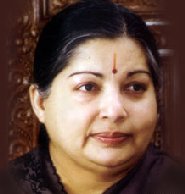 [ஏப்ரில் 2012]இலங்கை செல்லும் இந்திய எம்.பி.க்கள் குழுவில் அ.தி.மு.க. இடம் பெறாது. 1/1 சென்னை, ஏப்.12 - இலங்கை தமிழர்களின் மறுவாழ்வு- மீள் குடியமர்த்தல் பற்றி அதிபருடன் பேச வாய்ப்பு மறுக்கப்பட்டுள்ளதாலும், இலங்கை தமிழர்களுக்கு எதிரான செயல்களில் ராஜபக்ஷே அரசு தொடர்ந்து ஈடுபட்டு வருவதாலும், இலங்கை செல்லும் இந்திய நாடாளுமன்ற கூட்டுக் குழுவில் அ.தி.மு.க. உறுப்பினர் ரபி பெர்னார்டு பங்கேற்க மாட்டார் என சட்டப் பேரவையில் முதல்வர் ஜெயலலிதா திட்டவட்டமாக அறிவித்தார். நேற்று முதல்வர் ஜெயலலிதா 110 வது விதியின் கீழ் அறிக்கை ஒன்றை வாசித்தார். அதன் விபரம் வருமாறு:- இலங்கையில் 2009 ஆம் ஆண்டு நடைபெற்ற உள்நாட்டுப் போரின் போது இடம் பெயர்ந்த இலங்கைத் தமிழர்களை அந்த நாட்டில் மறு குடியமர்த்துவதற்காகவும், மறுவாழ்வு அளிப்பதற்காகவும், இந்திய நாட்டு உதவியுடன் மேற்கொள்ளப்பட்ட மேம்பாட்டு பணிகளை பார்வையிடுவதற்காக, இம்மாதம் 16 ஆம் தேதி முதல் 21 ஆம் தேதி வரை, மக்களவை எதிர்க்கட்சித் தலைவர் தலைமையில் 15 உறுப்பினர்கள் அடங்கிய இந்திய பாராளுமன்ற கூட்டுக் குழுவை இலங்கைக்கு மத்திய அரசு அனுப்ப முடிவு செய்து, அதில் அ.தி.மு.க. சார்பில் ஓர் உறுப்பினரை அனுப்புமாறு மத்திய அரசு கேட்டுக் கொண்டது. மத்திய அரசு கேட்டுக் கொண்டதற்கிணங்க, அ.தி.மு.க. சார்பில் மாநிலங்களவை உறுப்பினர் வில்லியம் ரபி பெர்னார்டு அனுப்ப நான் முடிவு செய்தேன்.
![விடுதலைப் புலிகளுக்கும் , இலங்கை அரசபடைகளுக்குமிடையில் நடைபெற்ற யுத்தத்தின் முக்கியமானதோர் திருப்புமுனையாக அமைந்தது ஆனந்தபுரத்தில் புலிகளுக்கேற்பட்ட இழப்பு. அதுபற்றிய பத்திரிகையாளர் டி.பி.எஸ்.ஜெயராஜின் ஆங்கிலக் கட்டுரையின் தமிழ் மொழிபெயர்ப்பு தேனீ இணையத்தளத்தில் வெளியானது. அதனை ஒரு பதிவுக்காக இங்கு மீள்பிரசுரம் செய்கின்றோம். - பதிவுகள்]](/images/stories/ltte_flag.jpg) [விடுதலைப் புலிகளுக்கும் , இலங்கை அரசபடைகளுக்குமிடையில் நடைபெற்ற யுத்தத்தின் முக்கியமானதோர் திருப்புமுனையாக அமைந்தது ஆனந்தபுரத்தில் புலிகளுக்கேற்பட்ட இழப்பு. அதுபற்றிய பத்திரிகையாளர் டி.பி.எஸ்.ஜெயராஜின் ஆங்கிலக் கட்டுரையின் தமிழ் மொழிபெயர்ப்பு தேனீ இணையத்தளத்தில் வெளியானது. அதனை ஒரு பதிவுக்காக இங்கு மீள்பிரசுரம் செய்கின்றோம். - பதிவுகள்]
[விடுதலைப் புலிகளுக்கும் , இலங்கை அரசபடைகளுக்குமிடையில் நடைபெற்ற யுத்தத்தின் முக்கியமானதோர் திருப்புமுனையாக அமைந்தது ஆனந்தபுரத்தில் புலிகளுக்கேற்பட்ட இழப்பு. அதுபற்றிய பத்திரிகையாளர் டி.பி.எஸ்.ஜெயராஜின் ஆங்கிலக் கட்டுரையின் தமிழ் மொழிபெயர்ப்பு தேனீ இணையத்தளத்தில் வெளியானது. அதனை ஒரு பதிவுக்காக இங்கு மீள்பிரசுரம் செய்கின்றோம். - பதிவுகள்]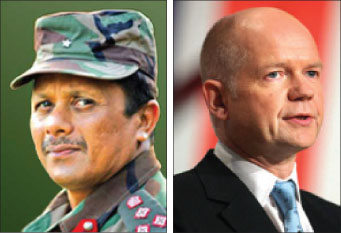 A group of Tamil diaspora activists who have pushed for legal action against the UK Foreign and Commonwealth Office (FCO), continue to claim that there is “credible evidence” of Sri Lankan Army General turned diplomat, Major General Prasanna de Silva’s involvement in alleged war crimes. Major General de Silva presently serves as defence adviser to the Sri Lankan High Commission in London, but is expected to return to the country shortly. Following the refusal of British Foreign Secretary, William Hague, to declare Major General Silva persona non gratae and deny him diplomatic immunity, the Global Tamil Forum (GTF) has now pushed for a judicial review of the FCO’s actions. “Of course we believe evidence against Maj. Gen. Silva is credible,” the GTF’s spokesperson, Suren Surendiran, said in an email interview last week. “However, let a court decide whether he is guilty or not guilty. By avoiding facing justice, one cannot prove his or her innocence. By running away from the UK, that’s exactly what Mr. Silva is avoiding. If he or the government has nothing to hide, they must get these charges proven wrong, rather than hiding behind immunity and complaining.”
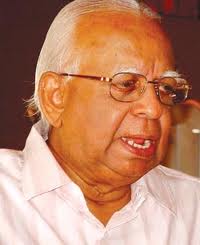 [5 April 2012, 8:02 pm] Mr. Deputy Chairman of Committees, we are discussing in the House today, an Adjournment Motion pertaining to the Resolution passed at the UN Human Rights Council at the 19th Session last month. Before I commence my views in regard to what happened at Geneva , I think I need to outline briefly the history and the growth of the tragedy of the Tamil people in this country and the Tamil issue, to put things in proper perspective. The Sri Lankan State has been insensitive and callous in dealing with the issues pertaining to the Tamil people, particularly in the North and the East. It was only the Tamil people who stood up politically against the Sri Lankan State, though it must be acknowledged that the Tamil-speaking Muslim people in the North and the East have also had similar issues and concerns. It is the Tamil people who have shown the resilience to stand up to the Sri Lankan State. More than six decades later, after the country attained Independence , we still show that resilience. That is because we are an ancient people with our own civilization and our distinct identity. We are prepared to be integrated into the Sri Lankan nation but we cannot be and will not be assimilated.
 “There are theories and there are facts. Theories vary… The facts however cannot be denied. Thousands of Tamils, old and young, and even little children, were assaulted, robbed, killed, bereaved, and made refugees. They saw their homes, possessions, vehicles, shops and factories plundered, burnt or destroyed. These people were humiliated, made to live in fear and rendered helpless…” A Cry From the Heart… What happened at the end of July 1983? (
 Mar 23, 2012 - Since India’s vote supporting the resolution against Sri Lanka at the UN Human Rights Council (UNHRC) that called for promotion of reconciliation and accountability for alleged violations of International law, the predominant Delhi-centric analyses have been that India has committed an awful blunder. The most common arguments that emerged from the conventional geo-political logic, that completely failed to see the political and public sentiments in Tamil Nadu, as well as the overwhelming evidence of alleged war crimes and human rights violations in Sri Lanka, centred around the following: India has voted against a traditional ally-neighbour and it’s a strategic blunder vis-a-vis China and Pakistan. The chatter also highlighted that the entire Asian block voted in favour while India sided with the West, and that it will further stoke Sinhala nationalism and marginalisation of Tamils. It wasn’t surprising that most of them, except a few like Kamal Mitra Chinoy, Brahma Chellany and Manoj Joshi, spoke about the issue in the same breath as they speak about Pakistan.
 பதிவுகள். காம் மின்னூல் தொகுப்புகள்